Welcome to our Used Car Market Research Arkansas AR resource, built to help shoppers make confident, data informed decisions before they visit the lot. Whether you are comparing compact commuters, family SUVs, or budget friendly trucks, this page explains current pricing trends, demand patterns by county, and the factors that move the Arkansas market. You will learn how mileage, model year, title status, and seasonality can influence value across areas like Pulaski, Benton, Washington, and beyond. We also show you how to analyze real sold results and active listings so you can set a smart target price and avoid overpaying. Use this guide alongside our inventory tools, location specific research pages, and financing resources to build a clear plan. When you are ready, explore vehicles and verify your findings with real time data from our listings and sales history.
This Arkansas focused research hub brings together local pricing signals, popular models, ownership costs, and county level insights. Compare what similar vehicles list for today versus what they actually sell for, and learn how to balance budget, reliability, and future resale. Use these insights to arrive prepared and purchase with confidence.
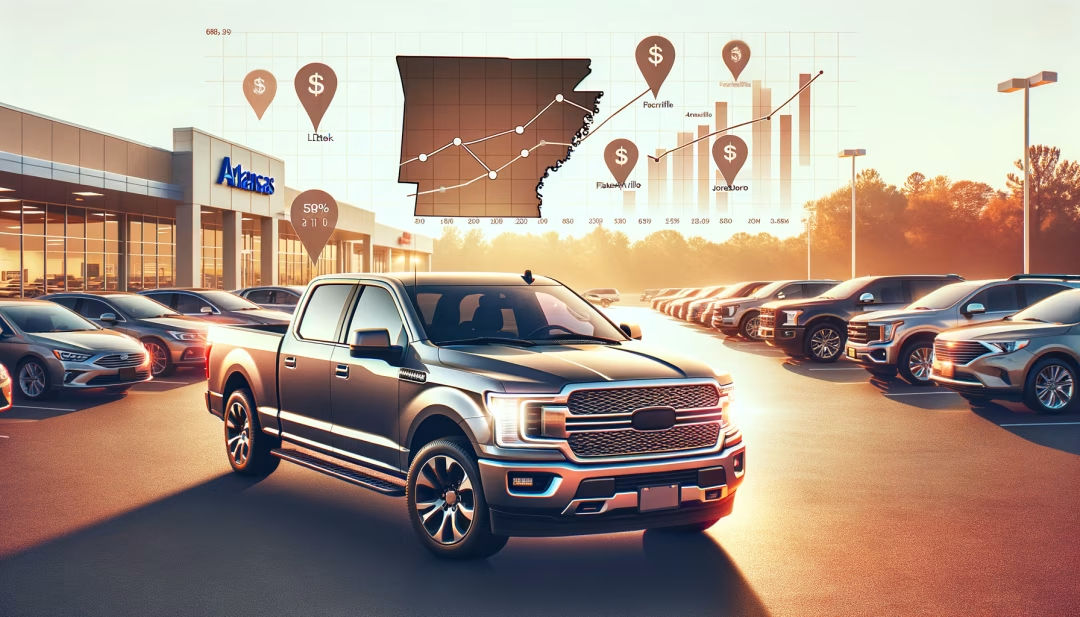
Arkansas is a diverse market that blends urban demand from areas like Little Rock and Fayetteville with strong rural and small town needs. That mix creates meaningful price spreads by body style, powertrain, and mileage. A compact sedan with strong fuel economy may command a premium near university corridors, while half ton pickups and midsize SUVs hold value in counties with active trades and outdoor lifestyles. The goal of this guide is to help you read those signals, compare apples to apples, and pick a fair target price before you step onto a lot.
Evaluate both current asking prices and recent sold results to understand the negotiation range. Use our active selection in used inventory to gauge today’s supply and ask prices, then review sold inventory for proof of what similar vehicles actually closed for. The spread between list and sold typically narrows for high demand models, low mileage examples, and clean one owner vehicles with solid maintenance records.
The following variables drive value across the state. Knowing how they interact will help you set a realistic target before you negotiate.
Prices vary by county because shoppers have different needs and inventory moves at different speeds. Use our county research pages to compare typical price ranges, top selling body styles, and time on lot. These snapshots help you decide whether to shop local or cast a wider net.
Arkansas shoppers often look for a balance of fuel efficiency, reliability, and utility. Compact and midsize sedans from Toyota and Honda tend to hold value thanks to reputation and lower ownership costs. Half ton pickups from Ford, Chevrolet, and Ram remain strong performers, and midsize SUVs like Toyota RAV4, Honda CR V, and Ford Escape align with family needs. When comparing examples, focus on trim, drivetrain, and packages because even within the same model year, equipment changes can shift prices meaningfully.
Construct your number from both directions. Look at what sellers are currently asking in your county and in nearby counties. Then verify what similar vehicles have actually sold for. Adjust for mileage differences, options, and any reconditioning you can document. If two comparable vehicles are priced the same but one includes new tires, a recent timing belt, and brake service, that vehicle is often the better value over a 24 to 36 month ownership window. This framework keeps you focused on total cost rather than sticker price alone.
Financing can influence what you pay and how long you keep the vehicle. Arkansas buyers benefit from comparing down payment options, term lengths, and credit programs that reward on time payment. If you are rebuilding credit, review second chance auto financing resources to understand approval criteria and document requirements. When possible, factor in taxes, fees, insurance, fuel, and maintenance to evaluate your real monthly cost, not just your principal and interest.
Inventory often expands after tax refund season and again in late summer as lease returns circulate through wholesale channels. Trucks and SUVs tighten before winter weather while fuel efficient sedans and hybrids pick up in spring. Monitor supply weekly to spot softening prices or fast moving models. If a specific trim is moving quickly in your county, consider shopping adjacent counties where supply could be looser and pricing more flexible.
Arkansas weather brings humidity, heat, rain, and occasional winter systems. Look for evidence of water intrusion, undercarriage corrosion, and suspension wear from mixed road conditions. Verify tire age and tread even if the visual looks strong. Confirm air conditioning performance in summer and cold start behavior when temperatures drop. For trucks and SUVs, inspect transfer case operation, frame integrity, and bed or hitch wear to assess prior use.
Pair this market data with step by step buyer guides that explain budgeting, loan terms, fees, and title transfer in Arkansas. These guides help you build a clean paper trail and reduce surprises on delivery day.
Not every issue is a deal breaker, but some should trigger deeper inspection or a price adjustment. Rebuilt or salvage titles require careful evaluation. Mismatch between odometer, service records, and vehicle condition suggests undisclosed issues. Fresh paint on one panel without documentation may indicate a repair. Powertrain noise, rough shifting, or warning lights must be addressed before purchase. If promised repairs are part of the agreement, get them in writing with specific parts and due dates.
Compare conditions across Arkansas counties to see which areas best match your search and budget.
Used car market research in Arkansas is about clarity and comparison. Review both list and sold data, adjust for miles and options, factor in financing and ownership costs, and match your vehicle to local conditions. With realistic expectations and documentation, you can make a confident purchase that fits your budget and your plans for the next several years. Use our inventory, sold results, buyer guides, and county pages as your toolkit, and revisit this page for updated market notes throughout the year.